What merge slot mechanics actually are
Merge slot mechanics let matching symbols combine into fewer, larger, higher-value symbols instead of simply paying out and disappearing. That is the one-line version, and it is slightly misleading, because the merge itself pays nothing. It only changes what is sitting on the grid when the maths gets applied.
That distinction matters more than it sounds. In a traditional slot, the reels stop, the game checks each payline for matching symbols left to right, pays what it finds, and moves on. One evaluation, one outcome. In a merge slot, the reels stop and the game starts rearranging: low-value symbols in the same neighbourhood fuse together, the grid shifts, and the game evaluates again. A single spin can contain several rounds of this, which is why merge and cluster games feel busier than a classic three-reel fruit machine even when the underlying return is similar.
BGaming’s Bonanza Billion Merge Up+, announced in September 2026 as the newest title in the Bonanza Billion series, is a useful teaching example because it bolts a reworked version of the studio’s Merge Up mechanic onto a fruit-themed grid most slot players already recognise. The rest of this guide walks one round through, then pulls out the lessons.
Inside Bonanza Billion Merge Up+
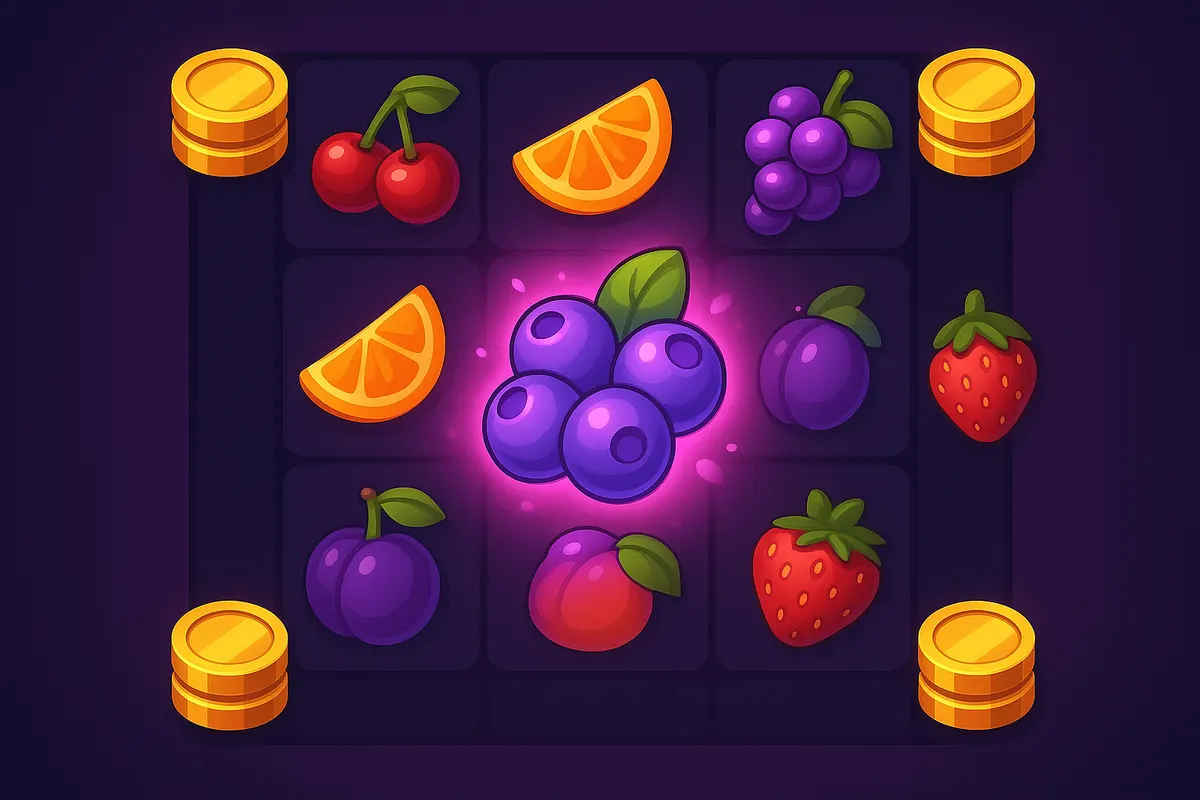
BGaming describes Merge Up+ as an upgrade of its Merge Up mechanic, dropped into the existing Bonanza Billion look: bright fruit and candy symbols, a rectangular grid, and cluster-style wins rather than fixed lines. Before you stake real money on any release like this, open the game’s info or paytable screen. Grid size, minimum cluster size, symbol values and the published RTP are all listed there, and those numbers are the only ones worth trusting.
The grid and what sits on it
Merge games use a grid layout rather than a set of reels with paylines drawn across them. Three things live on that grid:
- Base symbols — the fruit and low-value icons that make up most of the screen and are the raw material for merges.
- Upgraded symbols — what you get when base symbols merge. Fewer of them, worth more each.
- Feature symbols — scatters, coin or collect symbols, and multipliers, which behave by their own rules and usually ignore the merge process entirely.
Read the paytable as a ladder. It shows which symbol becomes which, and how much the payout jumps at each step. That ladder is the whole game in miniature: the further up it a spin travels, the more a cluster is worth.
One round, step by step
- You set a stake and spin. Symbols fill the grid. Nothing is decided by skill here; the outcome comes from the certified RNG, and the merge animation is a presentation of a result the game has already generated.
- The game checks for winning clusters. Any group of matching symbols that meets the minimum cluster size pays immediately.
- Winning symbols clear and the grid refills. This is the cascading reels idea, sometimes called tumbling: new symbols drop into the gaps and the game re-evaluates. One spin, several chances.
- Eligible symbols merge. Groups that did not pay, or that survive the cascade, combine into the next symbol up the ladder. Six lemons might become two watermelons. The count on screen falls, the value per symbol rises.
- The game checks again. Those upgraded symbols can now form their own cluster. If they do, it pays, clears, and the cycle continues.
- Multipliers and features resolve. Any multiplier symbols that landed apply to the win total, and any bonus round trigger, free spins or a hold and win round, fires at the end of the sequence.
- The round ends. One stake, one result, however many internal steps it took to get there.
The practical lesson: a spin that shows nothing on the first evaluation is not automatically dead. It is also not automatically alive. Most merge sequences end quietly, which is exactly how the game is designed to behave.
Where the hold and win feature fits in
A hold and win feature is a bonus round built around symbol collection. Special symbols, usually coins carrying cash values, lock into place while the rest of the grid keeps respinning. Every new coin that lands is held too, and you normally get a fixed number of respins that resets each time a coin appears. When the respins run out with no new coin, the held values are added up and paid. Empty grid positions filling with coins is the whole tension of the format.
Traditional hold and win slots keep this completely separate from the base game: you trigger it, the normal reels vanish, and you play a self-contained respin round. In a merge game the two can interact, and that is where reading the rules pays off. Points to check in the info screen:
- What triggers it — a set number of coin or bonus symbols landing in a single round, including any that arrive during cascades or after a merge.
- Whether merging continues inside the feature — some designs freeze merging so coins behave predictably; others let symbols keep combining, and coins themselves may upgrade.
- Whether a full grid pays extra — many hold and win rounds award a top prize if every position fills.
- How multipliers apply — at the end of the round, per coin, or not at all.
None of these variations change the fact that the round is decided by the RNG. They change how the money is distributed, and therefore how the game feels.
Cluster pays against traditional paylines
Cluster pays means you are paid for groups of matching symbols that touch each other, with no regard for lines. A typical cluster game requires a minimum of four to eight matching symbols, commonly starting at four or five, connected horizontally and vertically, sometimes diagonally. Position on the grid is irrelevant; adjacency is everything. That is why merge mechanics and cluster pays get used together so often, since merging is a spatial operation and lines would only get in the way.
| Aspect | Traditional paylines | Cluster pays |
|---|---|---|
| How wins are formed | Matching symbols on a predefined line | Matching symbols touching each other in a group |
| Direction | Usually left to right, from reel one | Any direction, anywhere on the grid |
| Minimum to pay | Often 3 on a line | Often 4 to 8 connected symbols, commonly 4 or 5 |
| Adjacency rule | Not required beyond the line path | Required; usually horizontal and vertical |
| One spin, how many evaluations | One | Multiple, via cascades and merges |
| Where the value comes from | Number of active lines and symbol value | Cluster size, symbol tier and multipliers |
A practical consequence: in a payline slot you can usually see at a glance whether a spin has paid. In a cluster and merge game you often cannot, and the win total at the end of the sequence is the only reliable indicator.
What merge mechanics do to RTP and volatility
Nothing about merging changes how RTP is calculated. The return to player figure is still the long-run share of all wagers the game pays back, measured across millions of rounds. Every cascade, merge and hold and win round is already inside that number. Most modern slots sit somewhere around 94% to 97%, and BGaming publishes the exact figure for each title in the game’s info screen. Check it there rather than relying on a review, because operators can sometimes offer different RTP configurations of the same game, and Indian players will occasionally see a lower setting than the headline version.
The house edge is simply the other side of that coin. A 96% RTP game carries a 4% edge, and that edge applies to every round regardless of how clever the merge sequence looks. No merge pattern, stake size or timing changes it.
Volatility is where merge mechanics genuinely shift the experience. Because value is concentrated in upgraded symbols and feature rounds, a lot of spins return little or nothing while the meaningful outcomes cluster in the rarer sequences that climb several tiers or trigger the bonus. Expect swingy sessions and long stretches of small returns. Volatility describes the shape of the distribution, not its average, so a high volatility merge slot and a steady low volatility classic can share an identical RTP and feel nothing alike. If you want the fuller version of that idea, our guide to slot volatility covers how variance affects bankroll swings.
BGaming, Merge Up and where this release sits
BGaming is a slot and casual game studio with a catalogue that runs into the hundreds of titles, best known to most players for Bonanza Billion, Elvis Frog in Vegas and the Plinko-style and crash games it has pushed in recent years. Bonanza Billion itself became one of its recognisable franchises, which is why the studio keeps returning to it with new mechanics rather than a new theme.
Merge Up is BGaming’s own mechanic, and the studio presents Merge Up+ as a reworked version of it, added to the Bonanza Billion series in September 2026. Read that as an iteration on a mechanic that already exists in the portfolio, not a new category of game. For a player, the useful takeaway is that the fruit symbols and grid will look familiar while the rules under them have changed, so the paytable is worth a read even if you have played the earlier Bonanza Billion titles.
Frequently asked questions
How do merge slot mechanics work?
Matching symbols on the grid combine into fewer, higher-value symbols, and the game re-evaluates the grid after each merge. Merging itself pays nothing; it changes what is on the grid when wins are checked, so a single spin can produce several payout checks in sequence.
What is the hold and win feature?
A bonus round where coin or cash symbols lock in place while the rest of the grid respins. Each new coin resets the respin counter, and the held values are paid when the respins run out. Some versions award an extra prize if the whole grid fills.
What is the RTP of Bonanza Billion Merge Up+?
Check the game’s information screen at the casino you are playing on. BGaming publishes RTP per title, and some operators run alternative RTP settings, so the in-game figure is the only one that applies to your session.
How do cluster pays work in practice?
You need a minimum number of identical symbols, commonly four to eight and usually starting at four or five, connected to each other horizontally and vertically. Lines and reel positions do not matter. Winning clusters clear, new symbols drop in, and the grid is checked again.
One last thing worth saying plainly: merge mechanics are a presentation layer on top of a random outcome with a built-in house edge. Understanding them makes a game easier to read, not easier to beat. Set a deposit or loss limit before you play, treat the stake as the cost of entertainment, and use the self-exclusion and reality check tools your operator provides if play stops being fun. Slots are for adults only.
Tagged: BGaming cluster pays hold and win RTP and volatility slot mechanics